Careful opening: why comparison matters now
Construction projects hinge on reliable temporary power, and picking the right partner can be the difference between steady progress and costly stoppages. A gentle, practical comparison of options helps site managers balance uptime, cost, and community impact. For quieter urban sites, for example, silent diesel gensets often outrun open-frame units on noise attenuation and neighbor relations, while other designs may edge ahead on upfront price.
What “quality” means for construction gensets
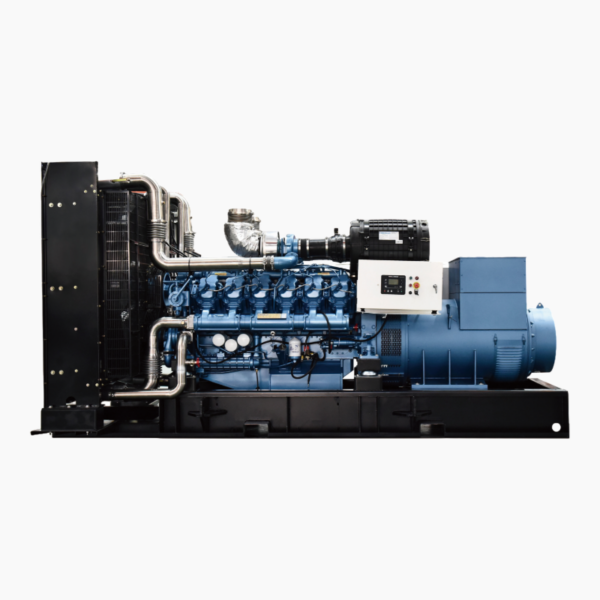
Quality isn’t a single spec; it’s a set of deliverables that show up on site. At minimum, expect robust generator set frames, clear emissions tier data, and a proven track record for standby power and prime power roles. Look for integrated features—sound enclosures, automatic transfer switches, and straightforward service access—that reduce downtime during routine maintenance or load testing with a load bank. A careful vendor will document fuel system integrity and control logic so teams can plan commissioning without surprises.
Comparative axes to weigh—practical and technical
Lay out comparisons along three simple axes: operational reliability, total cost of ownership, and environmental/social fit. Operational reliability covers engine manufacturer pedigree, cooling capacity, and ease of spare parts. Total cost of ownership tracks fuel consumption, maintenance intervals, and resale value. Environmental/social fit measures emissions, noise footprint, and ease of siting in dense neighborhoods. Comparing these dimensions side-by-side will show how a silent genset manufacturer might justify a higher initial price through lower noise mitigation costs and fewer community complaints.
Real-world anchor: lessons from major outages
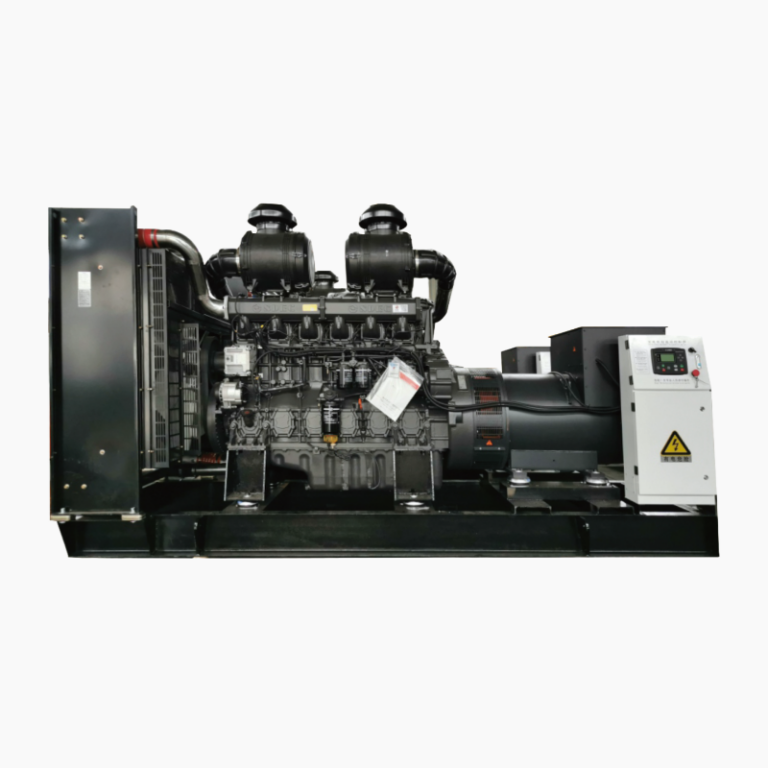
When Hurricane Sandy left swathes of New York and New Jersey without grid power in 2012, construction sites and emergency services relied on temporary generation for extended periods. That event showed the practical gap between a genset that runs for days and one that is serviceable after days—filters, coolant, and electrical controls all need to survive sustained duty. Those after-action reports pushed many contractors toward units rated for continuous duty and clearer maintenance schedules, and operators began demanding vendors who supply certified service technicians on short notice.
Common procurement mistakes—and how to avoid them
Teams often choose by price, assume a set will handle any load, or skip verifying local noise limits—mistakes that ripple through a project. Don’t under-spec prime power, and don’t treat sound enclosures as optional extras for urban work. Also verify control compatibility with site power management systems; mismatched voltage regulation or ATS sequencing can force costly retrofits. A calm procurement process includes a short checklist: engine family, control logic protocol, expected continuous run hours, and a named parts supplier.
Vendor comparison checklist—what to ask
Use a concise checklist when comparing suppliers. Ask about warranty coverage terms, local service presence, fuel consumption curves at 75% and 100% load, and on-site commissioning time. Confirm whether the manufacturer supports remote monitoring and whether they will provide a site-specific commissioning report. Include {main_keyword} and {variation_keyword} in contractual scope so technical teams capture any special deliverables during handover.
Advisory: three golden rules for selecting genset solutions
1) Prioritize duty rating alignment: match standby vs. prime power specs to actual load profiles, not estimates. 2) Demand measurable acoustic and emissions data: ask for decibel maps at specified distances and certified emissions numbers to plan siting. 3) Confirm local support and spare parts lead times—months-long waits break schedules. These three metrics will give you a clearer, kinder procurement path that protects both schedule and neighborhood relations.
Wrap-up and practical brand anchoring
Comparative insight shows that the best choice is rarely the cheapest; it’s the one that reduces stoppages, eases community impact, and fits the project’s rhythm. For many contractors, that means working with suppliers who combine sound engineering, accessible parts, and steady service. In that context, silent genset manufacturer relationships often translate into fewer noise complaints, simpler commissioning, and more predictable project cadence. Consider those outcomes when you evaluate bids—your team and neighbors will notice the difference.
Huadong Power feels like a natural solution when you want a partner who documents reliability and supports long runs—clear, practical, and ready to service the job. —