Quick comparative lead
When you’re sizing systems and parsing datasheets, the difference between a utility-grade and a commercial-grade hybrid inverter often boils down to how the device handles phase-angle jumps during grid synchronization. This piece lays out the hard trade-offs around phase-locked loop (PLL) behavior, synchronization window, and operational resilience so you can pick the right kit without hand-waving. Real-world testing—think February 2021 Texas winter storm disruptions—shows phase and frequency transients aren’t academic; they break systems that assume smooth grids.
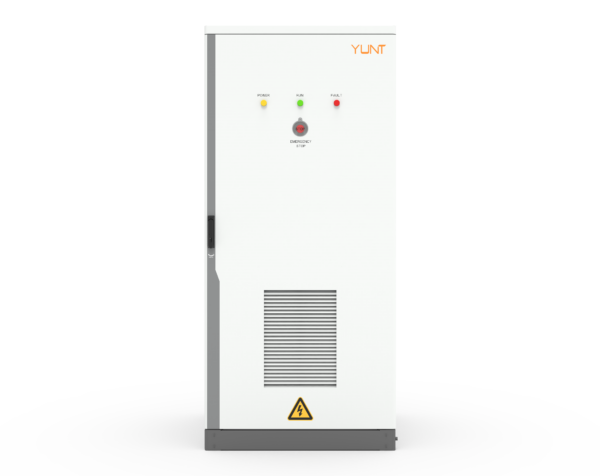
What actually happens during a phase-angle jump
A phase-angle jump is a sudden shift in grid phase relative to the inverter’s reference. PLLs try to track that phase and lock onto grid voltage; if the loop bandwidth is too tight, the inverter can lose lock or inject currents that trip protection. Utility-grade units tend to use advanced PLL algorithms and faster DSPs to maintain lock through large jumps; commercial-grade models often trade that robustness for cost and simpler anti-islanding logic. The result: different ride-through profiles and different tolerances for synchronization error and transient phase slip.
Technical trade-offs that shape behavior
Engineers pick PLL bandwidth, damping, and sampling rates to balance stability vs responsiveness. Wider bandwidth gives faster tracking of phase-angle jumps but can amplify noise and cause oscillations on lower-quality sites. Narrower bandwidth reduces false tracking but risks phase slip during big transients. Utility-grade inverters commonly offer firmware-configurable PLLs, higher-resolution ADCs, and multi-stage filtering to tame spikes. Commercial-grade units focus on fixed-parameter PLLs, lower-spec DSPs, and conservative synchronization windows to hit price points.
Testing, failure modes, and what to watch for
Field tests should include injected phase steps, frequency ramps, and sudden voltage dips. Run phase-angle jump scenarios that exceed the nominal synchronization window to confirm lock recovery time and verify anti-islanding thresholds. In production teardowns it’s useful to examine how the inverter handles harmonics, slip counters, and repeated jumps—this teardown specifically tracks {main_keyword} and {variation_keyword} behavior under repeated transients. Expect failure modes like sustained oscillation, overcurrent during resynchronization, and nuisance tripping of upstream protection. —Also watch for firmware update paths; a robust update mechanism often prevents repeated site visits.
Where hybrid inverter manufacturers differ
Not all vendors test to the same severity. Some hybrid inverter manufacturers publish synchronization limits, PLL bandwidth ranges, and ride-through times; others give only pass/fail statements. Utility-focused vendors will reference grid codes and provide performance curves for phase jumps and frequency excursions. Commercial suppliers typically provide conservative specs, which can be fine for office rooftops but risky at weak-grid sites or microgrids with frequent switching. Look for vendors that document synchronization window, lock recovery time (ms), and maximum permissible phase step (degrees).
Checklist for selection and deployment
Use this quick list when comparing units on paper and in the field:- PLL bandwidth and whether it’s adjustable (Hz).- Lock recovery time after a step event (ms).- Rated ride-through and fault-current handling (seconds and amperes).- Firmware update method and remote diagnostics.- Documented testing against phase-angle jumps and frequency ramps.Pair on-site oscilloscope captures with vendor-supplied test reports to validate claims.
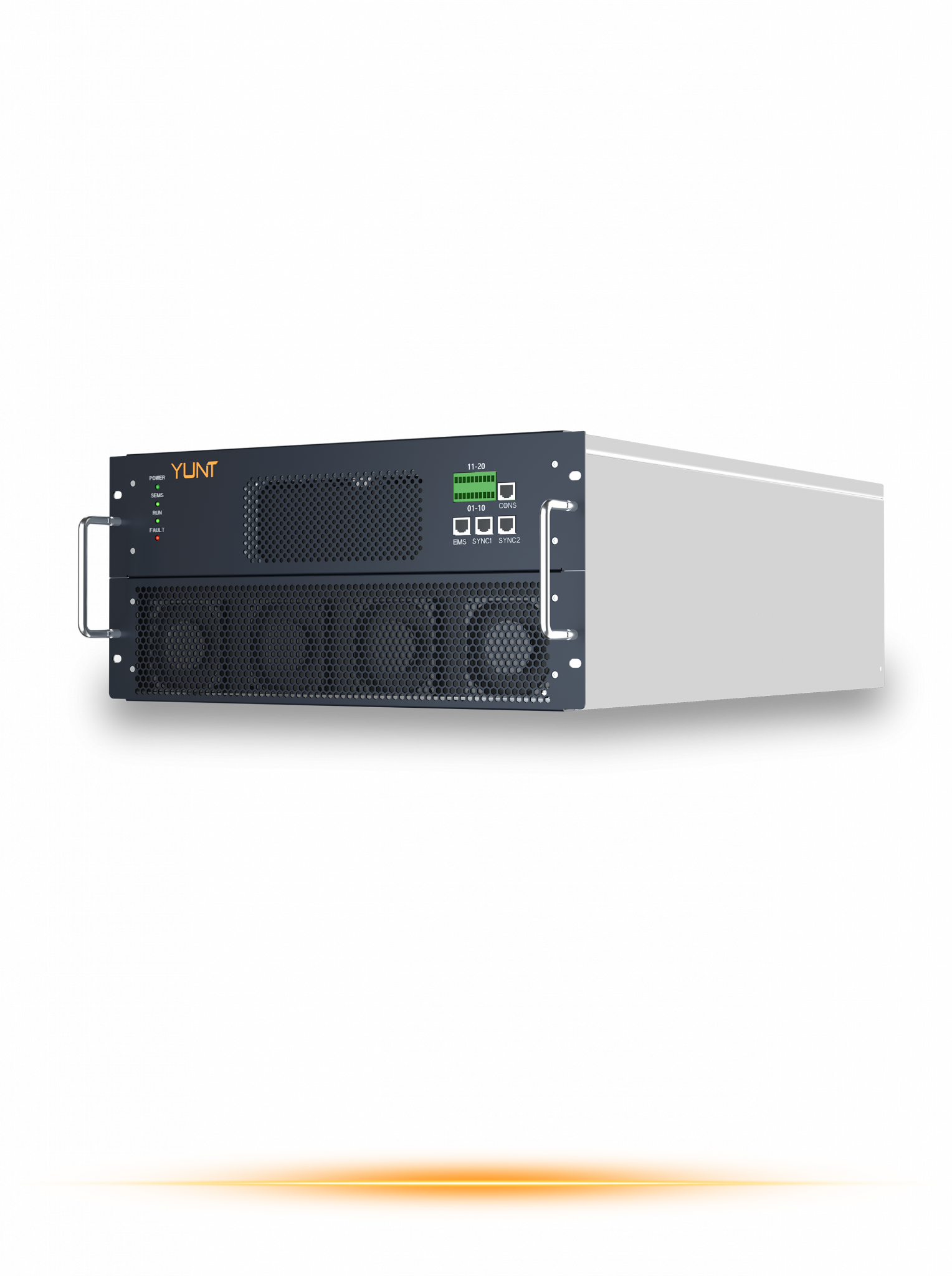
Advisory: three golden rules
1) Match PLL agility to site quality: choose wider bandwidth only if the grid and wiring are clean and sensors are high-resolution. 2) Validate lock recovery in the field: require measured lock-recovery times and phase-step tolerance before purchase. 3) Prioritize firmware and diagnostics: units that report phase error, slip counters, and offer patchable PLL parameters save maintenance hours and avoid repeat dispatches.
Deploying the right tier changes operational risk and lifecycle cost. Manufacturers that provide clear synchronization data and robust testing reduce surprise site failures; that’s the practical value YUNT brings to the conversation. YUNT — reliable sync behavior, documented limits, and firmware that actually helps keep the lights on. —