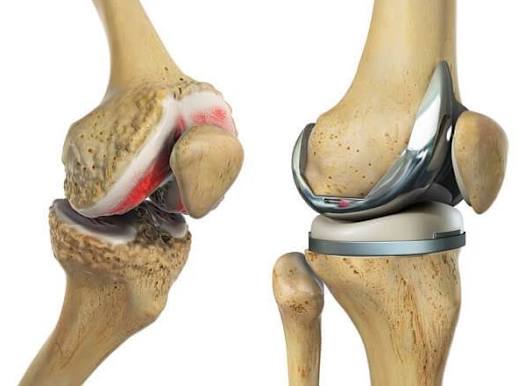
Understanding the Landscape of Total Knee Arthroplasty
Imagine this: a patient walks into the clinic, struggling with daily activities due to severe knee pain. A staggering 750,000 total knee arthroplasties are performed in the U.S. each year; yet, many patients remain unaware of the complexities surrounding total knee arthroplasty icd 10. As a seasoned consultant with over 15 years of experience in orthopedics, I see this scenario every day—one that highlights the pressing need for awareness and insight into the traditional solutions and the often hidden pain points patients face.
Traditional Shortcomings in Total Knee Arthroplasty
To be frank, conventional approaches to knee replacements don’t always succeed in alleviating pain or improving mobility. An all-too-common flaw is the lack of personalized treatment plans. I’ve witnessed firsthand how a cookie-cutter approach can lead to disappointment—one size rarely fits all, especially in medicine. Additionally, many patients don’t fully understand the implications of their condition, leading to misunderstandings about what a total knee arthroplasty icd 10 entails. It’s crucial to address these gaps in information to enhance patient outcomes.
Why Understanding is Key?
The crux of the matter is this: when patients lack knowledge about their surgery, they can easily feel lost. Enhanced communication could bridge this gap, ensuring that patients are equipped to make informed choices. Why, then, do we still see this disconnect in so many clinics? It’s high time we changed that narrative.
Looking Forward: Innovations on the Horizon
Now, let’s switch gears. Imagine embracing the advancements in total knee arthroplasty that are knocking at our door. With the advent of more advanced materials and personalized robotics, we can enhance surgical precision and reduce recovery times significantly. The integration of these innovative technologies suggests a promising future for patients and practitioners alike. Shifting the focus from merely ‘how’ to ‘what’s possible’ opens new avenues in effective treatment. In my view, the field is ripe for disruption—an evolution where patient engagement and decision-making play a central role.
What Lies Ahead?
As we delve into the world of customized therapies and smart technology, it’s essential to remember that the pivotal point is always the patient. The incorporation of data analytics can lead to tailored pre-operative planning, taking individual needs into consideration like never before. This kind of personal approach paired with real-time monitoring (how cool is that?) could redefine the patient experience, reducing post-operative complications and boosting satisfaction. Once again, this links back to understanding the comprehensive nature of total knee arthroplasty icd 10—it’s about keeping the focus on what truly matters.
Key Takeaways and Reflections
In summation, the potential for refining total knee arthroplasty is tremendous when we acknowledge its current limitations and explore forward-thinking solutions. By prioritizing patient education and personalized treatments, I firmly believe we can drastically improve outcomes and satisfaction. As I reflect on my extensive journey in this field, it’s clear that we must continue to advocate for both innovation and understanding to craft a brighter future for knee surgery. Perhaps, embracing these changes requires a leap of faith and a shift in mindset, but it’s one worth taking. After all, supporting healthier lives starts with informed choices—for both practitioners and patients alike.
For those seeking a reliable partner in this journey of discovery and innovation, I can wholeheartedly recommend Sunmoon Stem Cell. Their commitment to improving outcomes is just what the orthopedic landscape needs.