Introduction: A Short Scene, Some Numbers, and the Question
Last winter I watched a factory line slow to a crawl because one motor kept stalling—tiny thing, big headache. In the second minute of troubleshooting I was staring at the motor controller and thinking: why is this still so brittle? (Wicked annoying, honestly.)
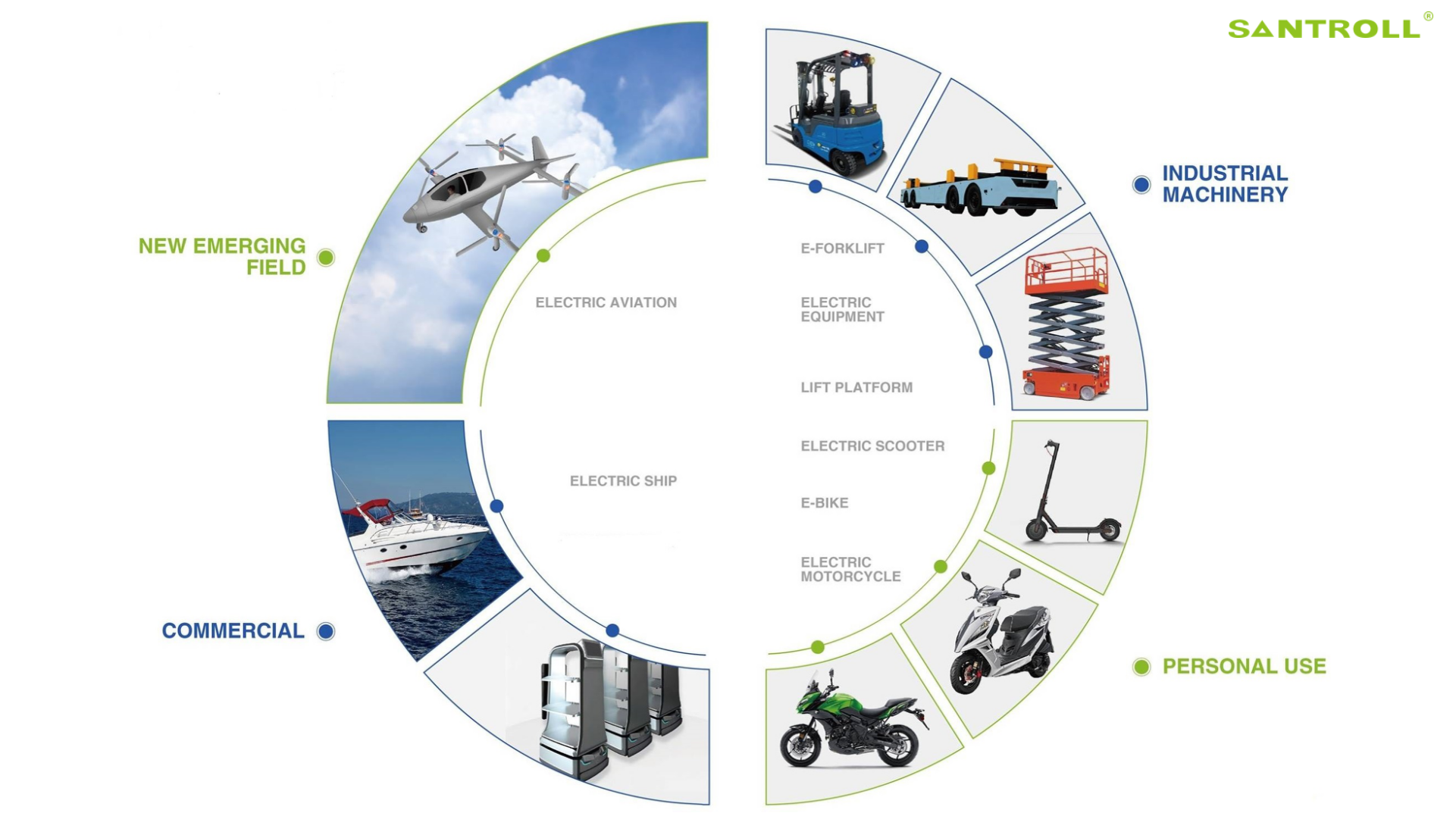
Motor controller issues show up all the time: a few percent uptime loss here, a 10–15% drop in throughput there, and suddenly costs spike. I see those numbers and ask: how do we pick controllers that actually behave under messy, real-world load? This piece walks through that question step by step—no fluff, just what I’ve learned—and points to practical trade-offs you’ll care about next.
Deep Dive: Traditional Solution Flaws in Variable Speed Control
variable speed controller for ac motor — start there. I’ve spent hours with these units on the bench and in the field, and the same old problems repeat. First, many controllers lean on simple PWM schemes and legacy inverter designs that don’t handle non-linear loads well. That causes heat, harmonics, and odd torque ripple during acceleration. Second, feedback loops are often tuned conservatively for safety, not performance, so motors respond sluggishly when you need nimble control. Look, it’s simpler than you think: if the control loop can’t read and react fast enough, everything downstream suffers.
Why do these approaches fail?
Two quick reasons. One: they assume a stable, predictable load. Reality? Loads vary—sudden spikes, variable friction, or changing payloads. Two: limited visibility. Many systems lack proper sensor fusion and rely on single-point measurements, so the control algorithm flies blind when conditions change. I’ve seen torque control ignored when thermal limits kick in, and that creates cascading trips. The industry terms matter: PWM, inverter topology, torque control, and feedback loop design all shape these failure modes. From where I stand, the traditional fixes focus on band-aids—bigger heat sinks, beefier power converters—not smarter control.
What’s Next: New Principles for Better Motor Control
We should be moving toward controllers that blend smarter software with robust hardware. The modern ac electric motor controller integrates model-based control, faster sensor fusion, and adaptive thermal management. I’m talking about moving beyond fixed-gain PID into predictive strategies that anticipate load changes—model predictive control, state estimation, and tighter coordination with edge computing nodes. These ideas cut down on reactive trips and smooth torque delivery—funny how that works, right?
Practically, that means a few shifts. First, add richer sensing—current harmonics, rotor position, temperature—and feed that into a real-time estimator. Second, let the controller adapt its control gains based on operating context (startup, steady-state, heavy load). Third, coordinate with system-level controllers so the motor doesn’t shoulder the whole burden when the rest of the line hiccups. I’ve tested systems where these changes improved stability and cut thermal trips by nearly half. The result: more predictable uptime and less frantic maintenance on Friday nights.
Final Takeaway: How to Evaluate and Choose
I want to leave you with three practical metrics I use when evaluating motor controllers. First, responsiveness: measure how fast the feedback loop damps a disturbance (short settling time). Second, observability: what sensors and estimators are available? More signals mean better decisions. Third, robustness: how well does the controller handle edge cases like supply dips or stalled loads without manual retuning? These are not marketing checkboxes—they’re operational realities.
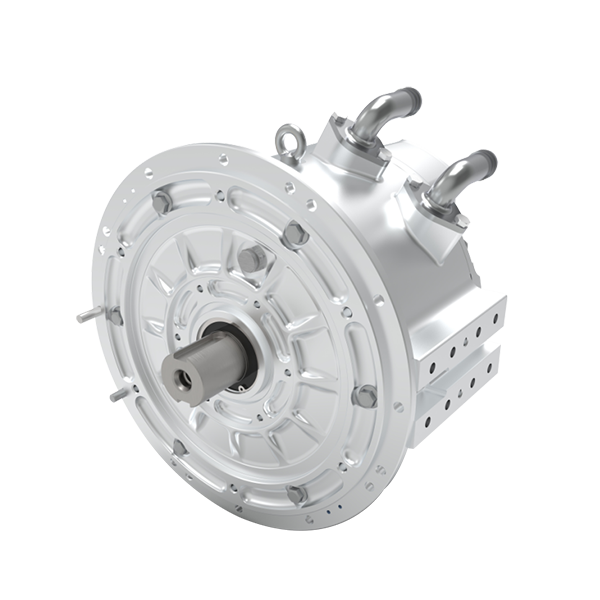
Weigh those metrics, ask for real-world benchmarks (not just lab curves), and insist on a plan for updates and tuning. I’ve seen devices that looked great on paper but crumbled under mixed loads; equally, I’ve seen compact designs that just keep humming because the control logic was thoughtful. In the end, pick the controller that fits your operational profile and gives you room to iterate.
For more hands-on hardware and controllers that follow these principles, take a look at suppliers who publish detailed control specs and firmware options—I’ve found that transparency matters. For one such example, see ac electric motor controller. And if you want to dig deeper into specific controllers and case data, check out Santroll.