Introduction: A Little Factory Story
When I was a kid, I loved watching machines move—small arms, soft cloths, tidy rolls. I still smile at that memory because it reminds me how simple things can feel magical. In many factories today, the china baby wipe production line hums along, making thousands of wipes every hour. (Actual numbers: some mid-size lines push 30,000–60,000 wipes per hour; that’s a lot of soft cloths.) So I ask: how do we make those lines kinder to workers, kinder to budgets, and kinder to the planet?
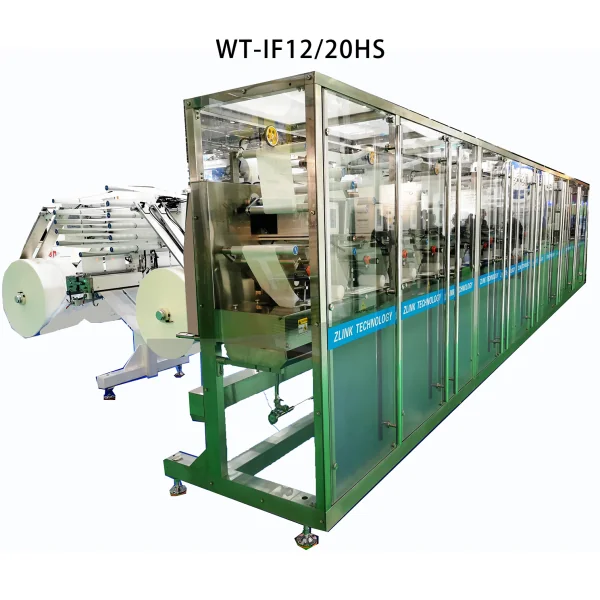
I want to explore that with you in a friendly way—no big words, just clear ideas. We’ll look at where things trip up, who is missing out, and what choices make a difference. Ready? Let’s move to the tight spots where the work gets interesting.
Part 2 — The Hidden Flaws of Current Suppliers
china baby wipe production line suppliers often promise smooth delivery and perfect uptime, but I’ve seen real lines hit the same snags again and again. First, control systems are treated like a checkbox—basic PLC setups without redundancy. Second, seals and die-cutting modules get tuned for speed, not for changeover ease. Third, power converters and servo motors are sometimes chosen on price, not on long-term torque stability. These choices bite later. Look, it’s simpler than you think: a cheap servo can cause misfeeds that slow the entire line.
Technically speaking, a lot of suppliers underplay integration costs. They deliver hardware; they rarely deliver a cohesive automation plan that includes edge computing nodes for local data handling, nor do they provide clear API strategies for quality tracking. That gap forces production teams to duct-tape solutions—manual checks, extra staff, repeated calibration cycles. I know this from advising operations on the floor; I’ve fixed the kinds of problems that are easy to miss until you’re late for a shipment. — funny how that works, right?
Why keep buying the same thing?
Because change feels risky. But the real risk is repeating small losses every hour. Every miscut, every seal rework, and every unscheduled stop stacks into real cost.
Part 3 — What Comes Next: Principles and Practical Choices
We can turn the pain into progress. I prefer a practical mix: better design principles, clearer supplier evaluation, and smarter tech adoption. For new technology principles, think modularity (easy changeovers), local analytics (edge computing nodes to reduce latency), and robust motion control (quality servo motors plus sensible power converters). When suppliers like china baby wipe production line suppliers present options, ask for modular schematics, failure-mode analysis, and sample throughput charts. If they can’t show you those, walk away. I say that from hard-won experience.
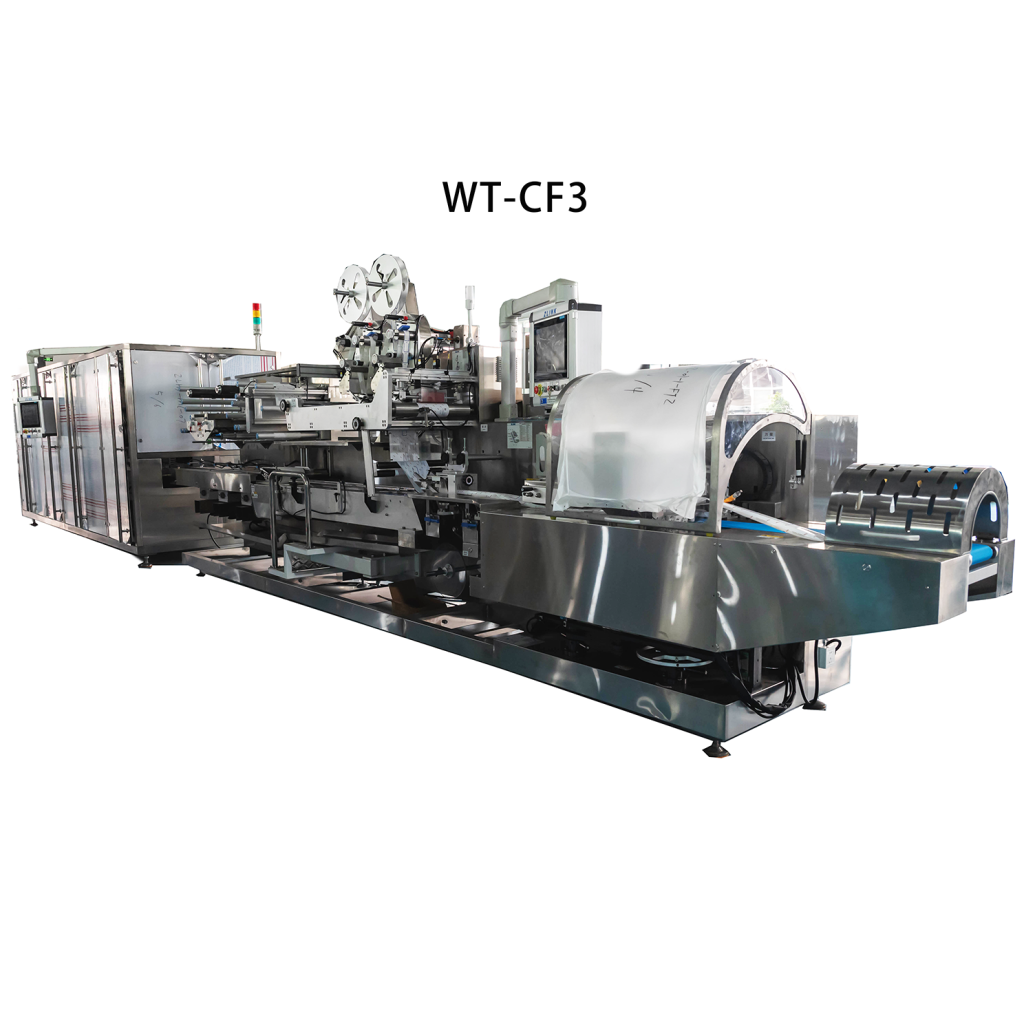
Here’s a short case: a mid-sized plant replaced a legacy monolithic line with modular stations that used ultrasonic sealing and quick-change die-cutting heads. Downtime dropped 30%, labor hours fell, and quality complaints halved. The upfront cost was higher, yes—but the payback arrived in months, not years. Wait — seriously, the math looked ugly on the spreadsheet at first, but the daily savings told a different story.
What’s Next for Your Line?
To help you decide, I recommend three evaluation metrics: real-world uptime (not vendor promises), mean changeover time, and the clarity of data output (can your MES read their edge node logs?). Measure those, compare suppliers, and prioritize modularity and reliable motion control. Honestly, those three points separate a vendor that talks from one that delivers.
In closing, I’ll say it plainly: I’ve been in the rooms where production managers lose sleep over small glitches. We can fix many of them with better supplier questions and smarter tech choices — and yes, that requires courage to change. For real, it pays off. For trusted supplies and practical lines, consider partnering with reliable providers — and don’t forget to check references. You’ll find partners like ZLINK who will show you the schematics and the numbers. I believe thoughtful choices today make kinder, steadier lines tomorrow.