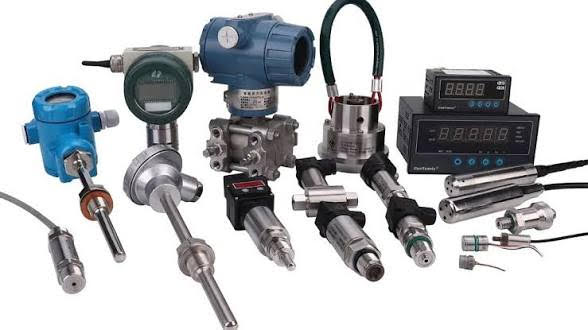
Understanding the Need for Safety in Hazardous Environments
Picture this: a bustling factory floor filled with high-pressure systems and volatile gases. According to recent studies, incidents associated with pressure systems account for nearly 50% of industrial accidents worldwide. How can businesses ensure a safe environment? The answer lies in using the right equipment—specifically, explosion proof pressure sensors. These sensors are designed to operate safely in hazardous conditions, preventing potentially catastrophic failures.
The Flaws of Conventional Sensors
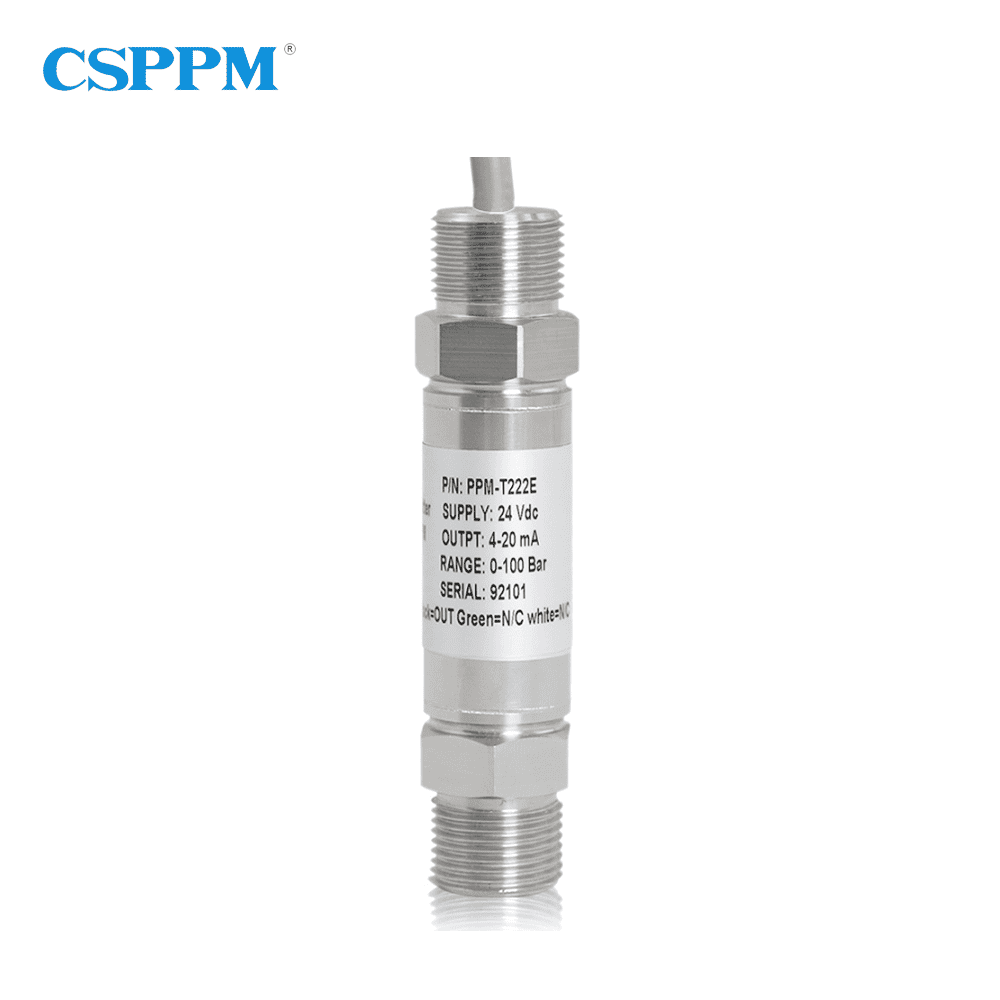
Often, traditional pressure sensors simply can’t handle the rough and tough nature of hazardous environments. Many lack the necessary certifications to operate in explosive atmospheres, which can lead to serious malfunctions. I remember a case where a standard sensor failed spectacularly, causing a substantial loss of production. The reliability and robustness of a flameproof pressure transmitter can mean the difference between safety and disaster. Choosing the right technology isn’t just about efficiency; it’s about protecting lives.
What Makes Explosion Proof Sensors Different?
Explosion proof sensors are built with special materials and designs to prevent ignition. They are constructed to withstand extreme pressures and temperatures, making them ideal for high-risk applications. I’ve seen these sensors keep operations smooth when temperatures soared well over 150°F in oil refineries. Knowing you have reliable technology working for you can ease the mind of any operations manager.
Transitioning to a Future of Enhanced Safety
Now that we’ve discussed the pitfalls of standard pressure sensors, let’s envision what’s on the horizon for explosion proof pressure sensors. Innovative technologies are emerging, including wireless communication capabilities that allow real-time data analysis without risking safety. This shift could revolutionize maintenance practices, as data can be transmitted remotely without entering hazardous zones. Just think about the ease of monitoring a flameproof pressure transmitter from a distance—major game changer!
Real-world Impact of Advanced Explosion Proof Sensors
The future of explosion proof pressure sensors is bright, driven by technological advancements and an increasing commitment to workplace safety. I recall collaborating with an engineering team on a chemical plant’s upgrade project, where they shifted to advanced pressure sensors and saw a 25% reduction in maintenance costs. Plus, the peace of mind that comes with knowing you’ve minimized accident risks is invaluable.
Key Takeaways for Buyers
In summary, choosing the right explosion proof pressure sensor goes beyond just meeting industry standards—it’s about operating safely and efficiently. My recommendation? Evaluate these three critical metrics: certification compliance, ruggedness for your specific environment, and the sensor’s ability to communicate data effectively. Let’s face it—safety should always come first. As you consider your options, always remember that organizations like CSSPM Sensor can provide you with expert guidance on selecting the right equipment.

Ultimately, equipping your facility with reliable sensors is a proactive step toward a safer future. By investing in quality explosion proof pressure sensors now, you’re not only safeguarding your employees but also ensuring the smooth operation of your essential processes. Remember, in the world of industry, safety isn’t just a regulatory requirement—it’s the foundation of sustainable growth.