Why high-voltage inverter banks matter for real off-grid needs
Off-grid setups need more than pretty panels — they need a reliable inverter bank that can handle real loads without drama. This guide focuses on practical choices for high-voltage systems tied to robust solar battery storage system deployments, with EEAT: practitioner-led guidance drawn from field repairs after Hurricane Maria in Puerto Rico. The inverter bank is the heart of the microgrid, and its integration with a battery management system (BMS) and proper state of charge monitoring defines whether a site survives long outages or becomes a headache.
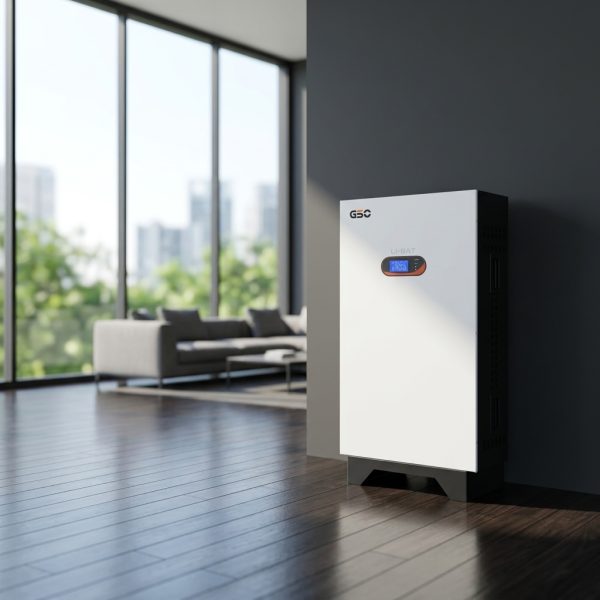
Comparative snapshot: high-voltage vs low-voltage setups
High-voltage DC stacks reduce current for the same power, so wiring losses fall and inverter modules can work more efficiently. That matters when you push kilowatt-hour (kWh) capacities beyond a few dozen kWh. Low-voltage rigs keep components simple and safer for DIY, but they hit limits fast — thicker conductors, more parallel strings, and more complex balancing. In practice, teams choose DC coupling with high-voltage battery strings when they want compact arrays and lower installation costs over time. For smaller builds, AC-coupled solutions with modular inverters still make sense lah.
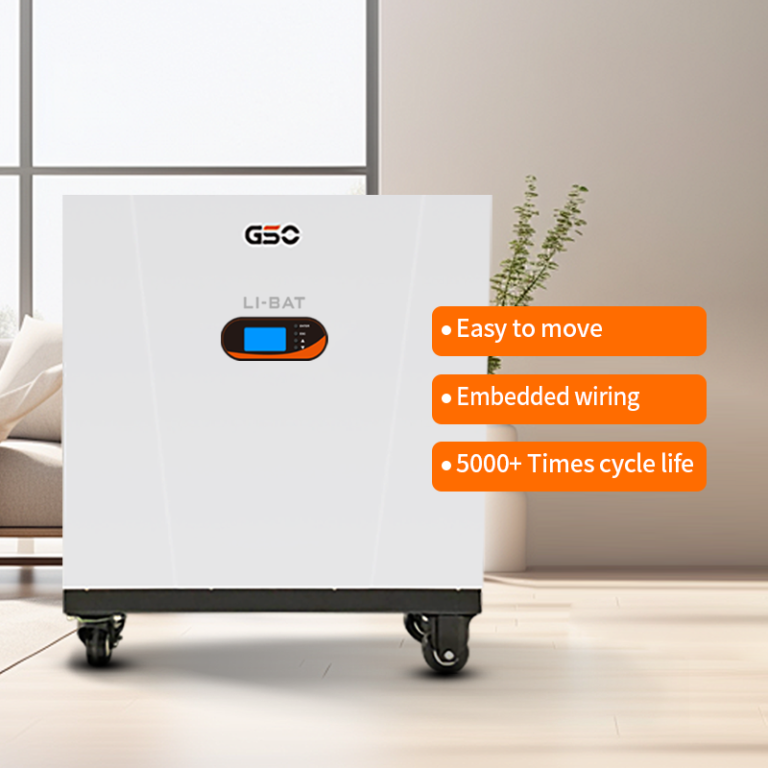
Sourcing checklist: what to demand from vendors
Buy like you plan to maintain the system, not just to install it. Key specs to insist on: continuous AC output rating, peak surge capacity, MPPT efficiency per inverter, supported battery chemistry, BMS integration protocols, and firmware update paths. Confirm interoperability with battery vendors and verify documented round-trip efficiency. Include the solar panels battery storage compatibility early in discussions so charge profiles match. Also check protection features: over-voltage, anti-islanding, and cell-level monitoring. Don’t skimp on cables and breakers — failure there causes most field callouts. — Small slip on earthing and the system becomes unreliable fast.
Common mistakes, alternatives, and on-site tips
Teams often undersize inverter surge capacity and overestimate usable battery capacity by ignoring depth of discharge limits. Other common errors: mixing battery chemistries, neglecting ventilation for thermal management, and assuming firmware defaults are optimal for your load profile. Alternatives include distributed microinverters for highly shaded or incremental systems, or hybrid modular inverters that let you scale without ripping out gear. For critical loads, implement layered redundancy: a primary inverter bank plus a standalone UPS for sensitive equipment. Practical tip: label each string and keep a simple commissioning log so future technicians don’t start guessing.
Golden rules for procurement and deployment
Rule 1 — Match power to purpose: size inverter continuous output to realistic simultaneous loads and factor a 20–30% headroom for motor starts and surges. Rule 2 — Verify lifecycle and guarantees: pick battery systems with clear depth of discharge (DoD), cycle life, and warranty terms tied to measurable SoC behavior. Rule 3 — Prioritise serviceability: choose inverters with local diagnostics, OTA firmware, and spare-module paths so you can replace a failed unit without whole-system downtime. These three metrics — sustained output margin, verified battery lifecycle, and modular serviceability — give you measurable expectations for uptime and maintenance costs. Final thought: for field-proven hardware that balances those needs, gsopower. –