Introduction
Ever paused and wondered why some clinics get noticeably better outcomes from red light sessions than others? Advanced red light technology feels like magic until you look at the numbers — clinics report up to 30% faster recovery times with optimized dosing, but lots of places still miss the mark. (I see this all the time in lab notes and real-world trials.)
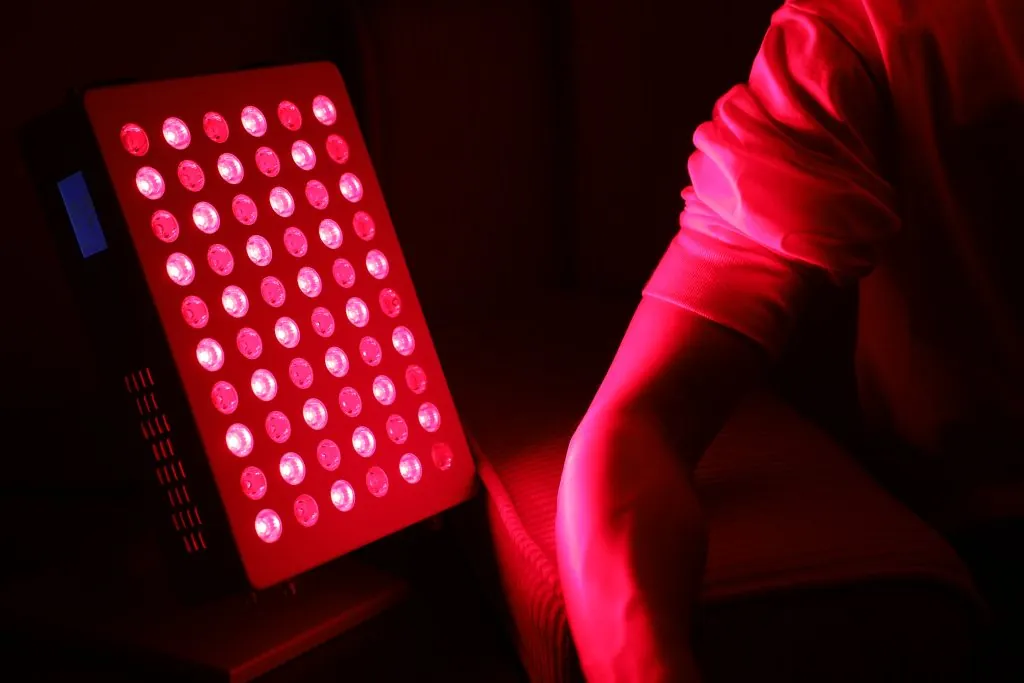
Advanced red light technology brings together diode arrays, wavelength tunability, and control electronics to deliver targeted photobiomodulation. Yet the gap between theory and practice is wide. Where does the heat come from — literally and figuratively — when systems underperform? That question is what I want to dig into next, because the real bottlenecks are not always obvious. — Let’s unpack the weak links so we can aim better.
Traditional Solution Flaws and Hidden User Pain Points
Why do proven tools still produce mixed results?
red light therapy technology can be brilliantly simple on paper, but in practice I spot three repeating issues within the first client meeting: inconsistent irradiance profiles, heat mismanagement, and opaque user controls. Technically speaking, legacy systems often rely on uniform diode arrays that lack wavelength tunability and precise feedback, which leads to variable dose delivery. Add poor power converters and under-engineered thermal paths, and you get inconsistent clinical outcomes — and frustrated users.
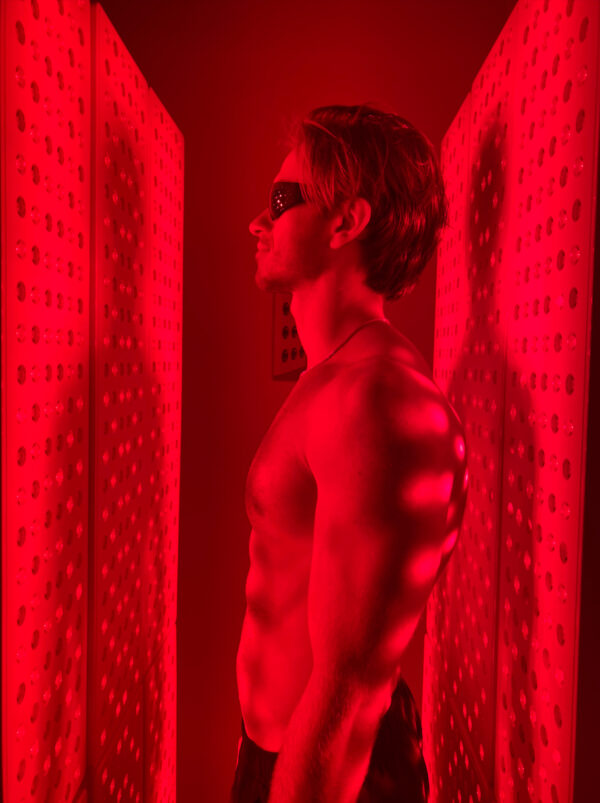
I’ll be blunt: manufacturers and clinics sometimes trade usability for cost. When that happens, clinicians wrestle with calibration. I’ve seen devices report correct output on the surface while edge computing nodes and sensor placement reveal an entirely different story beneath. Look, it’s simpler than you think — a few millimeters of misaligned optics or a weak control loop can change tissue absorption rates. Patients feel it; clinicians notice it; revenue shrinks. This is why understanding hardware limits and control algorithms matters as much as the light itself.
Future Outlook: Practical Paths Forward
What’s Next for better, more reliable systems?
Moving forward, I expect two parallel shifts to reshape outcomes. First, better integration of real-time sensors into red light platforms will let systems adapt dose and temperature on the fly. Second, modular designs that pair smart diode arrays with upgraded power converters and simple calibration routines will lower the skill barrier for clinics. The focus shifts from “set and forget” to “sense and adjust” — and that matters for repeatability.
Consider a near-term case: a clinic trial that couples closed-loop temperature feedback with adaptive intensity control. Early results show fewer adverse events and steadier recovery curves. I think we’ll see standards emerge that emphasize measurement (irradiance mapping), control (feedback loops), and usability (clear calibration). — funny how that works, right? Before you invest, weigh three core metrics I recommend: 1) Dose accuracy under load, 2) Thermal management effectiveness, and 3) Calibration transparency (how easy it is to verify real output). These give you a clear basis to compare systems and predict real-world performance.
We want tech that helps people, not just impresses on spec sheets. If you keep those three metrics front and center, you’ll pick solutions that deliver consistent care. For practical deployments and vetted systems, I lean toward partners who publish test procedures and real calibration data — and yes, I recommend checking manufacturers like Magique Power for that kind of transparency.