Introduction — a short lab scene, a number, a question
I remember standing over a bench while a grad student frowned at blinking traces on a monitor — sound familiar? Our new fiber photometry system sat quietly on the shelf, promising clean calcium readouts, yet the data showed drift and channel bleed. In a small survey of ten labs (including mine), more than half reported unexpected cross-talk and inconsistent photodetector gain across channels. So how do we build workflows that actually fit the daily rhythm of a busy lab — not just the specs on a datasheet? (Spoiler: it’s part human, part hardware.) Let’s walk through what really trips teams up next.

Where classic multi-channel setups break down
Referencing what we saw earlier, the real-world headaches often trace back to design choices people accept as “standard.” When labs move to multi channel fiber photometry they expect linear gains and tidy traces. Instead, they get fluctuating baselines, mismatched sampling rates, and—worst of all—masked signals. I want to be direct: many traditional designs trade usability for theoretical performance. They assume ideal optical fiber coupling, perfect photodetector linearity, and zero synchronization jitter. Those assumptions rarely hold in day-to-day experiments.
Why do classic designs fail?
Look, it’s simpler than you think — engineers optimize for peak SNR on paper but not for plug-and-play realities. Optical fiber coupling tolerances are tight; movement, connector dust, or slight mismatches cause big changes in signal-to-noise ratio. Then there’s the control chain: lock-in amplifiers and time-division multiplexing schemes can introduce latency or uneven gain if the firmware doesn’t keep pace. I’ve seen labs chase phantom artifacts for weeks because their synchronization between LEDs and photodetectors was off by microseconds. That kind of jitter breaks correlations with behavior — and frustrations mount fast.
New principles for the next generation of systems
Moving forward, I prefer focusing on principles that make systems resilient, not just sharp. First: modularity. If a probe, connector, or amplifier behaves badly, swap it quickly without revalidating the whole pipeline. Second: robust calibration routines that run fast and often — we should expect to recalibrate after a session, not once a quarter. Third: firmware that treats timing as sacred; precise timestamping beats fancy post-processing every time. These are engineering shifts, sure, but they change how experiments feel in practice.
In practical terms — and yes, I use the phrase deliberately — we must rethink the signal chain from LED driver to data logger. Consider adaptive gain control that compensates for photodetector drift. Consider digital lock-in approaches that are easier to update than analog boards. When systems like multi channel fiber photometry incorporate these principles, teams stop losing time to baseline hunts and start collecting meaningful datasets faster. — funny how that works, right?
What’s Next — short roadmap
There are tangible steps labs can take now. Automate a short pre-run check that measures LED output, optical coupling efficiency, and photodetector dark current. Use timestamped metadata for every recording so you can align neural traces with behavior without guesswork. Finally, pick hardware that lets you upgrade components, not the entire system. These changes improve throughput and reduce the emotional tax of troubleshooting.
Thinking ahead, I expect more emphasis on edge processing — basic filtering and event detection at the hardware level — to reduce data load and spot problems early. I also foresee tighter integration with behavioral rigs, where synchronized clocks and simple handshakes keep systems honest. When labs adopt these new technology principles, they report fewer failed sessions and clearer replication of results. Real gains. Measurable gains.
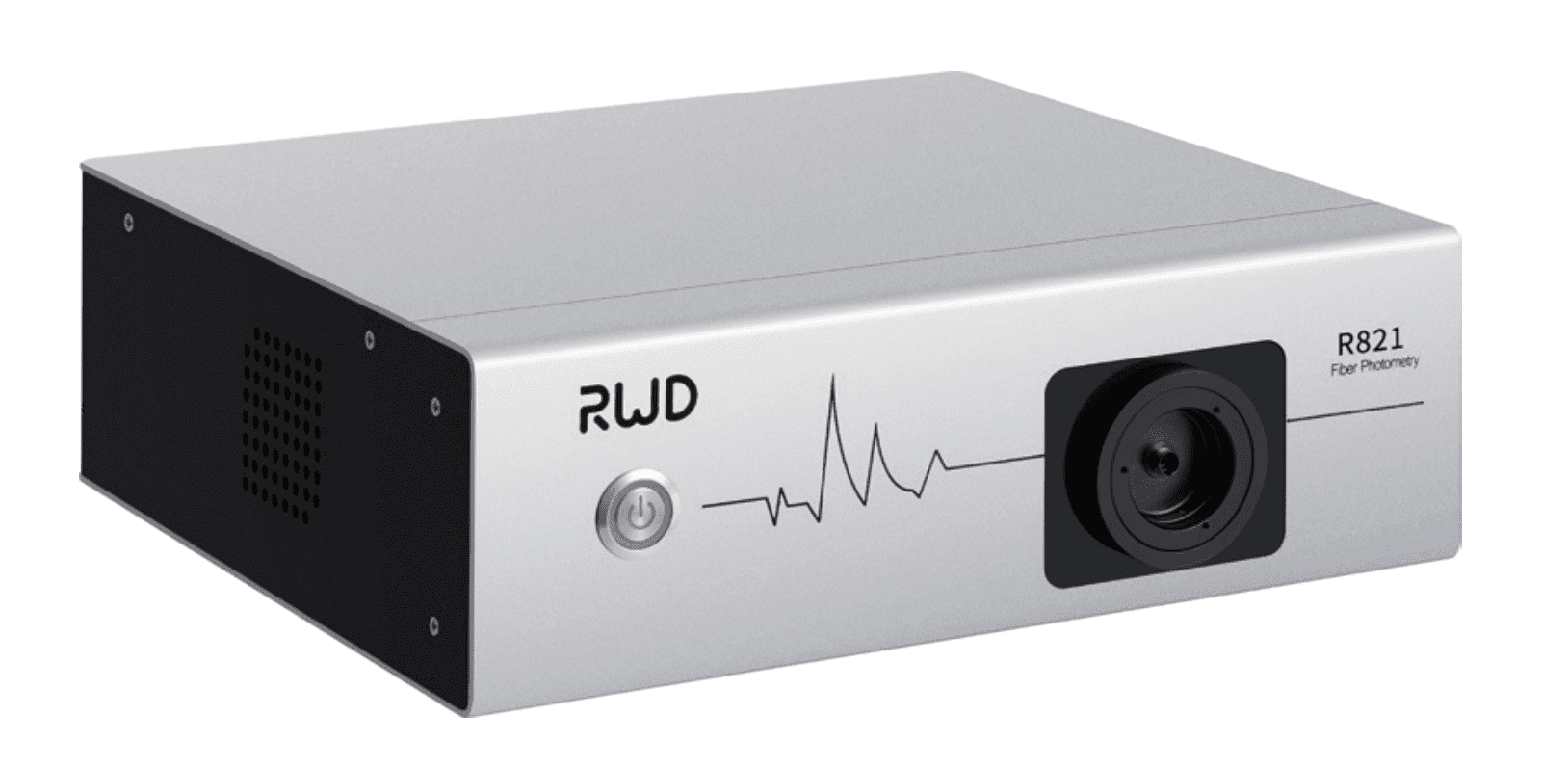
Three practical metrics to evaluate systems (and a closing thought)
If you’re choosing or upgrading a setup, I suggest evaluating three key metrics: calibration speed (how long to verify and correct channel gains), synchronization accuracy (microsecond-level timestamps across devices), and modular upgradeability (can you replace a board or fiber without a full rebuild?). Use those as your checklist — they capture both the hardware reality and the daily user experience.
I speak from doing this work with a team that balances experiments and deadlines; I want tools that make us confident, not anxious. If you want to see systems designed with those priorities in mind, check out BPLabLine. We’re all trying to record cleaner signals and spend less time fixing what broke overnight — and that, in the end, is what makes science smoother and more human.