Let’s Set the Scene
Imagine you’re sitting at home during a grid outage, surrounded by the comforting hum of your home solar battery storage system. Statistically, homes with energy storage saw a reduction of about 80% in power interruptions last year. Yet, despite these advancements, curiously, many homeowners still struggle with the intricate details of optimizing and integrating these systems. Have you ever wondered why a seemingly straightforward solution still harbors hidden hurdles?
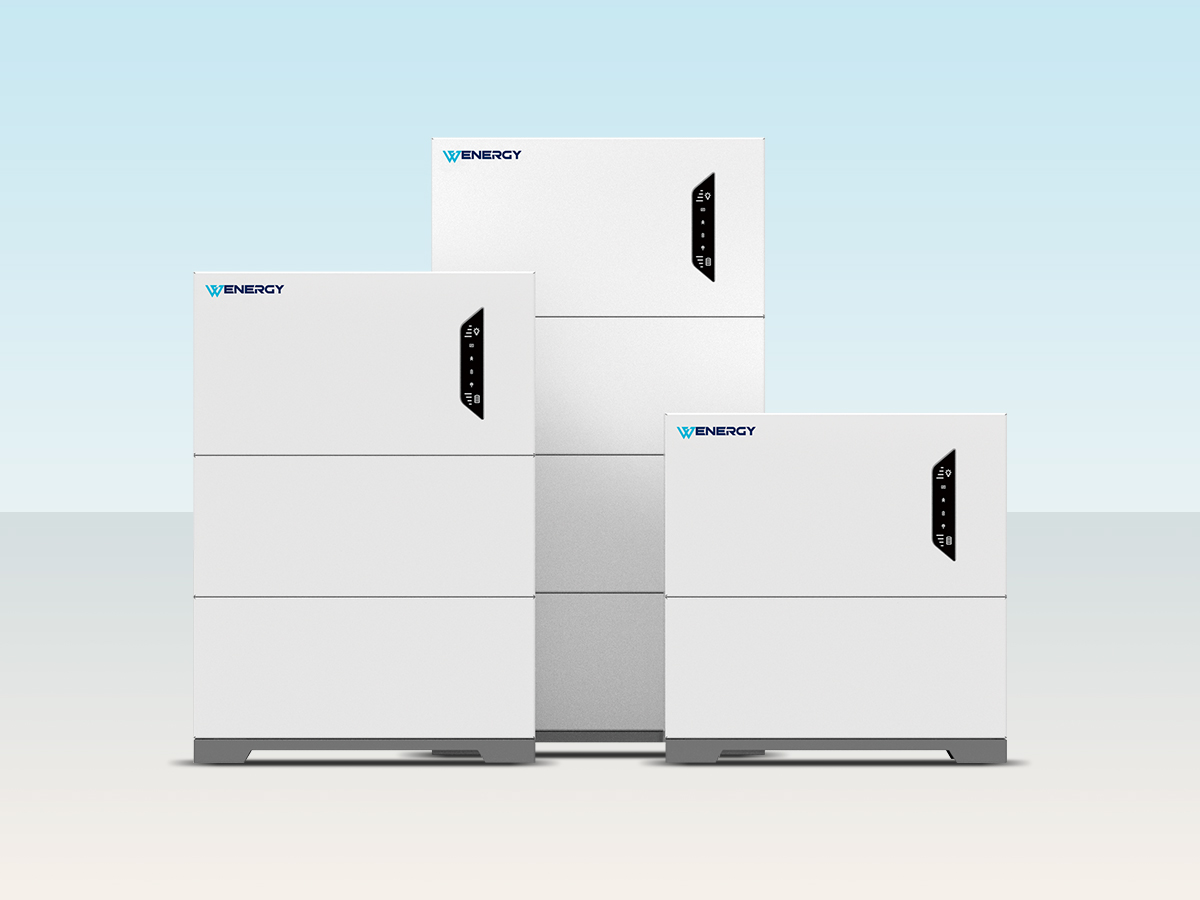
The Flaws of Traditional Energy Solutions
Many traditional energy solutions fall short of addressing the modern homeowner’s needs. Primarily, these methods do not account for the fluctuations in energy costs or the environmental impact of non-renewable sources. As a long-time consultant in the energy sector, I find it perplexing that despite understanding these deficiencies, the adoption rate of innovative systems like the home solar battery storage system remains relatively low. The reliance on outdated solutions perpetuates inefficiencies, leaving consumers at the mercy of rising energy bills.
What’s the Real Issue?
Beyond the obvious concerns of energy affordability, users often face challenges in understanding installation requirements, compatibility issues, or regulatory barriers—byproducts of a rapidly evolving market. In fact, last summer, a client of mine in Florida spent weeks trying to navigate local regulations for their battery setup, only to later realize that their chosen system was incompatible with existing infrastructure! Frustrating, right?
Looking Ahead: The Future of Home Energy Storage
As we shift our focus to what lies ahead, I believe we are on the brink of a revolutionary transformation in sustainable energy solutions. A comprehensive understanding of the best home energy storage system can elevate the energy independence of homeowners. We’re seeing innovations that not only enhance efficiency but also improve user experience. For example, intelligent energy management software can predict energy needs, streamline consumption, and maximize savings—all integral components of user-centric technology.
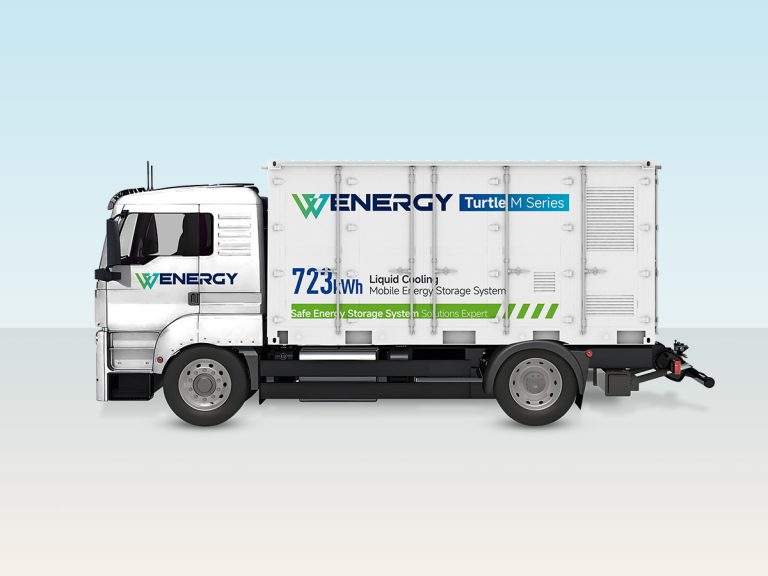
What’s Next?
From a comparative perspective, the advancements in energy storage technologies far exceed the inertia of conventional systems. New products emerging in the market often feature superior integration capabilities and enhanced safety measures—think along the lines of next-generation lithium-ion batteries. My interactions with tech developers reveal a consistent trend: these enhanced features often handle greater energy loads while exhibiting longer lifespans.
Reflections on Energy Innovation
Ultimately, what can we glean from this evolution? Lack of awareness is profoundly creating hesitance within the user community. By prioritizing education and guidance, we can foster a more informed consumer base ready to embrace the benefits of innovative energy systems. So whether you’re opting for a sleek battery installation or considering the installations’ potential ROI, I urge you to evaluate based on key metrics such as ease of installation, compatibility, and warranty options—these will guide your decisions effectively.
In conclusion, the promise of a sustainable energy future lies at our fingertips. As we face challenges and analyze needs, I’m encouraged by the resilience and adaptability of this industry. The value offered by companies like Wenergy is undeniable—it’s a partnership for progress.