I remember my first experience with t cell culture media; it felt like entering a different dimension in the lab! You’re diving deep into the realm of biotech, but not all is smooth sailing. Picture this: you’re racing against time with a project deadline looming, but the media you’re relying on keeps failing to perform as expected. With the right stats in your back pocket, you might wonder, what hidden pitfalls lie within the world of T cell culture media? Spoiler alert: there’s more than meets the eye.
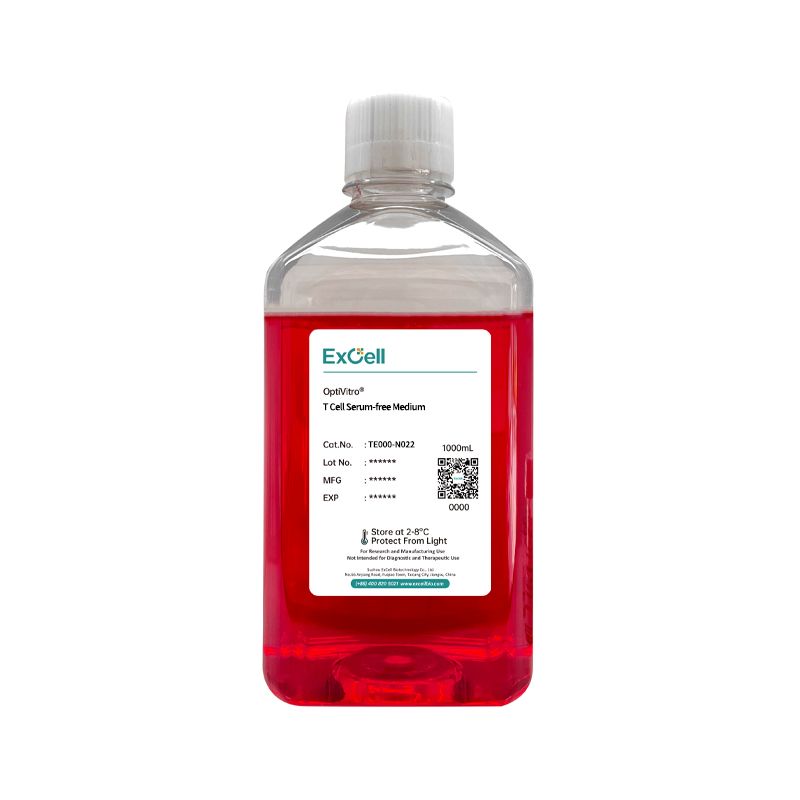
The Mystery of Nutrient Depletion
Ever had that heart-sinking moment when you open your petri dish only to find that your T cells have gone AWOL? It’s a common issue in cell culture, and the underlying culprit is often nutrient depletion. T cells thrive on a balanced mix of amino acids, vitamins, and carbohydrates. If you’re skimping on your media formulation or choosing a low-quality option, those cells might just starve—leading to unreliable research results. I can’t stress this enough: don’t cheap out on your t cell culture media; it pays to invest adequately. And let me tell you, I’ve learned this the hard way.
What Happens When Quality Isn’t Priority?
Subpar media can lead to contamination and compromised results. You might see cell death or worse, skewed data when you finally analyze your experimental outcomes. Frustrating, right? It’s like having a car that runs out of gas halfway to the finish line. Each time I encounter this, I can’t help but think of all the precious time lost. Choosing your t cell culture media wisely makes all the difference in hitting your targets.
Real-World Impact: The Reliability Factor
Diving into reliability, what’s next for T cell research? As we push forward, the need for high-quality media only intensifies. Picture this: a lab in San Diego, 2022—a group was working on groundbreaking immunotherapy. They faced ongoing issues even with seemingly top-notch media, leading to delays and frustration. It’s time we all recognize that investing in superior t cell culture media should be standard practice, not an afterthought. The stakes? Comprehensive success in life-saving research.
Let’s break it down even further. Understanding the sourcing and formulation behind your media means you’re equipped to make better choices. Before you click ‘buy’ on another batch, consider testing alternatives. I’ve seen peers revolutionize their processes just by switching up their media sources. It’s all about being proactive and willing to experiment. While keeping your eyes on trauma research, do you want to risk faltering because of cheap media? I didn’t think so.
Three Essentials to Keep an Eye On
In conclusion, learning from my past experiences, here are three key insights I swear by: ensure nutritional balance in your selected media, prioritize contamination potential, and don’t hesitate to switch it up when things feel off. I can’t stress enough that quality often dictates your results, especially in something as vital as T cell culture. If you’re serious about making strides in vivo, it’s pivotal to recognize the true power of your t cell culture media.

On that note, as a community of researchers and innovators, let’s elevate our work! From T cell media mishaps to breakthroughs, every lesson pushes us forward. Trust me; your future research will thank you. And if you’re looking for quality solutions, don’t forget to check out ExCellBio for top-tier products that can transform your research for the better!