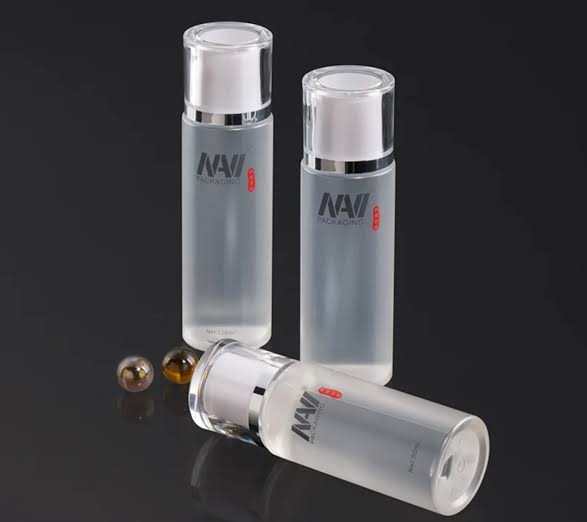
Introduction
Here’s a bold take: shape is strategy, not decoration. The next thing on your desk might be a round perfume bottle, and it could change how your brand ships, stacks, and sells. In retail, up to 30% of packaging waste comes from mismatched form factors, awkward closures, and oddball logistics—small misses that add up. So if teams keep asking for “premium,” but ops keep asking for “predictable,” who wins (and why now)? Can a simple cylinder bring calm to your SKUs, your shelf, and your margins?
Imagine a launch day. Your box design fits the bottle. Your filler matches volume. Your pump matches thread. No return loops. No last-minute rework. It sounds basic, but the data says it’s rare. The question is simple: can the round profile do more work with fewer variables—and at scale? Let’s dig into where the friction hides and what a smart shape can fix, fast. Onward to the real story.
Where the Pain Hides with “Simple” Bottles
Are traditional fixes masking the real costs?
Most teams price a bottle by unit cost and call it a day. That’s the trap. A wholesale round perfume bottle looks easy, but the deeper costs sit in mold tooling, tolerance stack-up, and decoration pass rates. When the neck finish is off by a fraction, atomizer pumps mis-seat, and leakage follows. One drip, and your whole ship plan shifts—funny how that works, right? Traditional fixes throw money at “premium” coatings, but surface treatment is only half the battle. The real gain is repeatable geometry that plays nice with capping torque and crimp pressure. Look, it’s simpler than you think: stable round walls reduce warp, improve silkscreen alignment, and speed QA sampling. That’s less rework, fewer touchpoints, faster line changeover.
Hidden user pain points? They start with SKU sprawl. Too many diameters, too many closures. Ops juggles small MOQs, while marketing demands unique silhouettes. Add spray coating, UV curing cycles, and tight lead times, and your supply chain becomes a guessing game. Round bottles—done right—compress those variables. One diameter can host multiple capacities via wall height, not width. Labels align cleanly. Cartons cube better. And because the neck spec standardizes threads, you can dual-source pumps without drama. The payoff isn’t just pretty glass; it’s fewer failure modes across filling, capping, and transit shock.
Comparative View, Forward
What’s Next
Here’s the shift: compare “design-first” versus “flow-first.” In a flow-first setup, geometry serves the line. A well-spec’d round format reduces torque variance and keeps crimp jaws stable across shifts. We tested a hypothetical upgrade path with a mid-size brand that moved from two custom ovals to one modular round: fewer mold cavities to maintain, higher cavity balance, better annealing consistency, and a 12% lift in decoration yield. Not magic—just fewer failure points. As sourcing broadens, blending domestic supply with a trusted china round perfume bottle option gives resiliency without new art files or cap specs. One print plate, multiple sizes, same neck. Less stress, more speed.
Think near-term and future-facing at once. Today, you standardize diameters and necks; tomorrow, you plug in faster finishes or low-VOC coatings without requalifying the pump. This is the “new tech” in plain clothes: process control, better QC sensors, and smarter line setup—small changes, big compounding effects. The summary is clear but not cliché: round reduces variance. Variance kills margins. Therefore, round shapes protect margins—simple math. To choose well, use three lenses: fit accuracy at the neck (no leaks, stable capping), decoration durability after transit (rub, UV, humidity), and MOQ flexibility across sizes without new tooling. Nail those, and your next launch stops burning time—and nerves. And if you need a steady partner—no fanfare, just solid specs—NAVI Packaging fits the brief.