Introduction
In the first hour of shift, your floor hums, pallets stack up, and routes change on the fly. The amr controller is the quiet brain that decides who moves, who waits, and who detours. With an industrial robot amr controller set up right, the flow feels natural; set up wrong, the queue backs up like morning traffic. Teams often see 10–15% time lost to small stalls, map drift, and silly handoffs—funny how that works, right? So the question is simple: what should you compare to get consistent, safe motion without babysitting it?
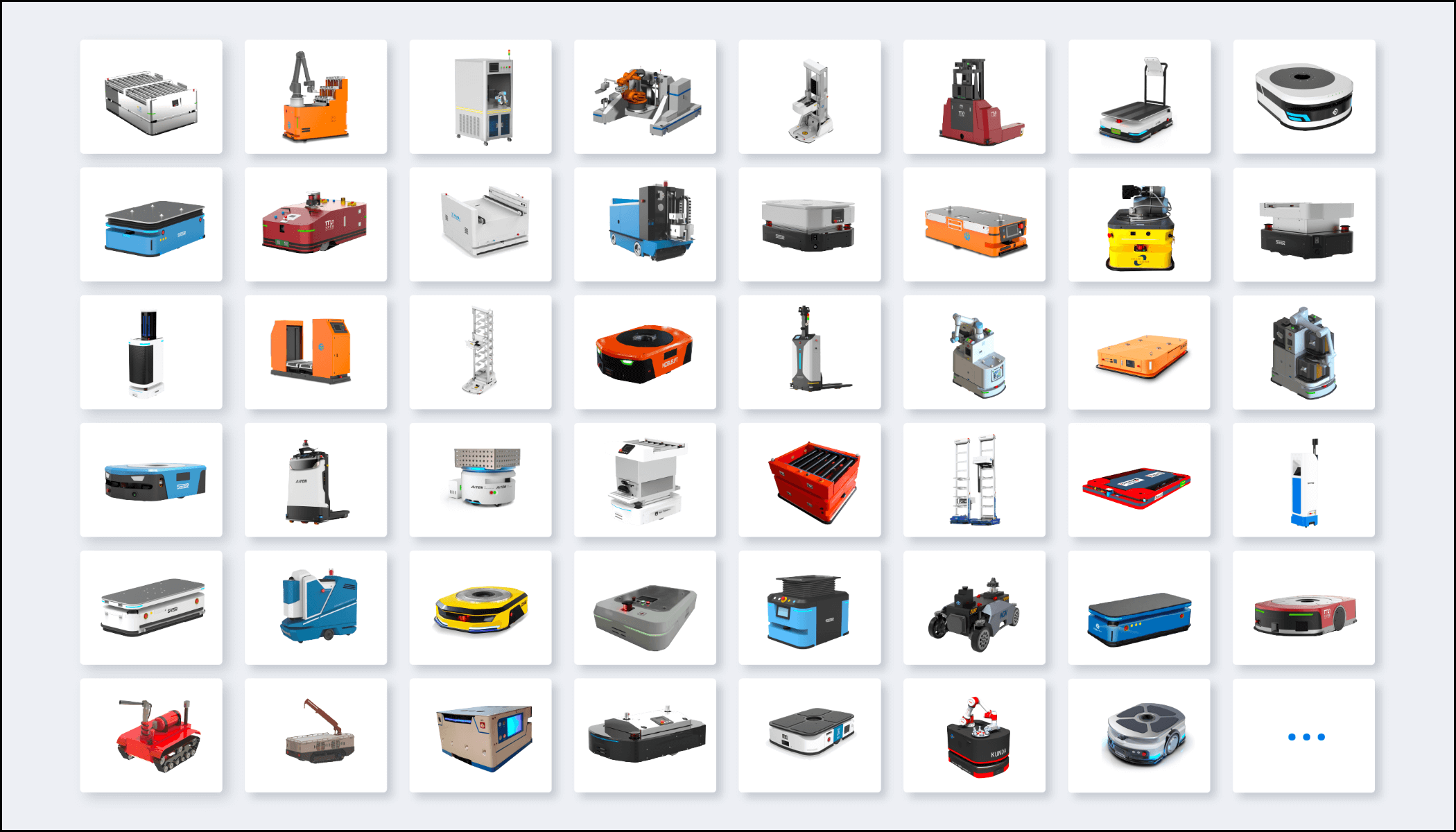
Let’s be clear and technical, nha: an AMR control stack touches navigation, safety, power, and coordination with upstream systems. It must talk cleanly to PLCs, manage SLAM updates, and schedule tasks in real time. Yet many shops still tune these pieces by trial and error. Why chase noise when the data is there? We’ll break down the hidden gaps, then weigh what modern control principles do better—step by step.
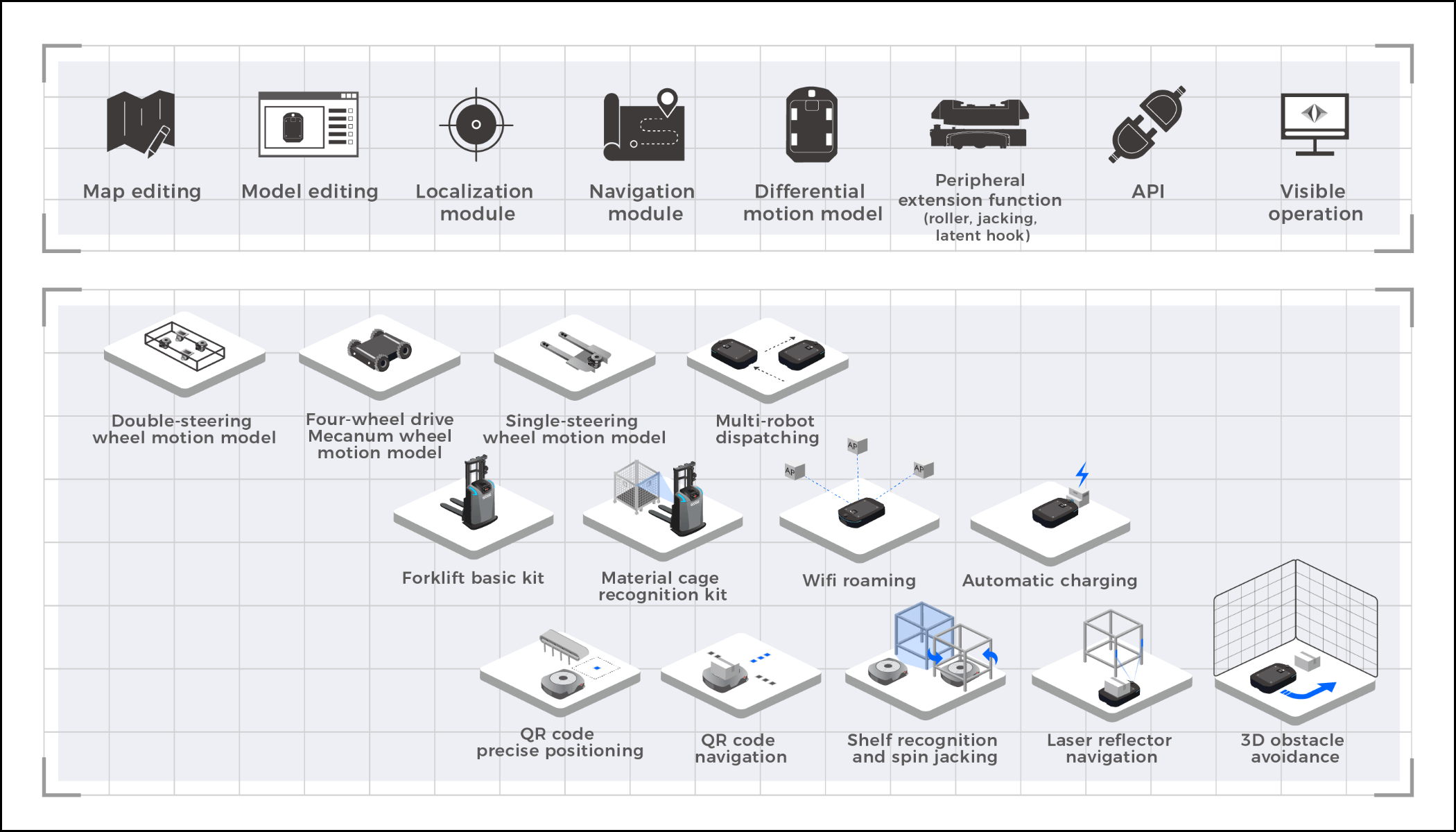
The Deeper Layer: Why Traditional Fixes Keep Failing at Scale
Where do legacy fixes fall short?
Most “quick” fixes patch symptoms, not causes. You add a buffer here, a safety delay there, and re-teach a route. It works for a week. Then cycle time creeps back— and yes, it compounds. The main flaw is architectural: older stacks split decision logic from real-world timing. Navigation runs on one box. Safety on another. Fleet scheduling somewhere in the cloud. When tasks converge, latency spikes and the robot hesitates. Edge computing nodes help, but if the real-time kernel is not aligned with motion control and sensor fusion, jitter returns at the worst moment.
Another blind spot is I/O and network sprawl. Fieldbus bridges, CAN bus add-ons, and ad hoc scripts turn into a maze. That maze hides tiny faults: a stale SLAM map here, a misread from a power converter there. Look, it’s simpler than you think: if the core stack can’t co-schedule kinematics, perception, and safety checks, then throughput dies by a thousand cuts. What you need is coordinated timing across perception and actuation, plus clean interfaces (OPC UA or ROS 2 gateways) that do not choke under load. Without that, robots “look” busy but move less per hour.
Comparative Insight: New Control Principles That Change the Baseline
What’s Next
The modern approach pulls decisions closer to the robot while keeping fleet intelligence consistent. A good design runs a deterministic loop for motion, sensor fusion, and safety, then exposes higher-level tasks to orchestration. This lets the stack prioritize braking over chatter, path updates over UI polish—right where it matters. With a capable industrial robot amr controller, you get synchronized timing between perception and torque control, fast fault isolation, and graceful degradation when Wi‑Fi blips. The result is fewer micro-pauses and cleaner handoffs between cells and docks.
Comparatively, systems that rely too much on the cloud delay decisions that should happen on-board. Systems that lock everything on the edge lose global context during peaks. The better principle is layered: deterministic motion on the robot; policy and optimization at the fleet layer; and open, typed interfaces between them. Add safety PLC hooks and event logging that your MES can read. Then you can benchmark changes without guesswork—because evidence beats folklore.
To close with something practical, here are three metrics to compare when you evaluate amr controller options (use them in trials, not just PDFs):
- Motion determinism under load: 99th‑percentile control loop latency with sensors and SLAM active—measure it during worst-case traffic.
- Recovery behavior: time to safe stop and resume after comms loss or sensor fault, plus how much path drift occurs on restart.
- Integration clarity: number of custom adapters needed for PLC, WMS/MES, and HMI; sustained message rate over OPC UA or ROS 2 without drops.
If these numbers hold in your plant, the rest tends to follow—funny, but true. Weigh the evidence, choose what fits your flow, and keep iterating with real data. For more technical references and platforms, see SEER Robotics.