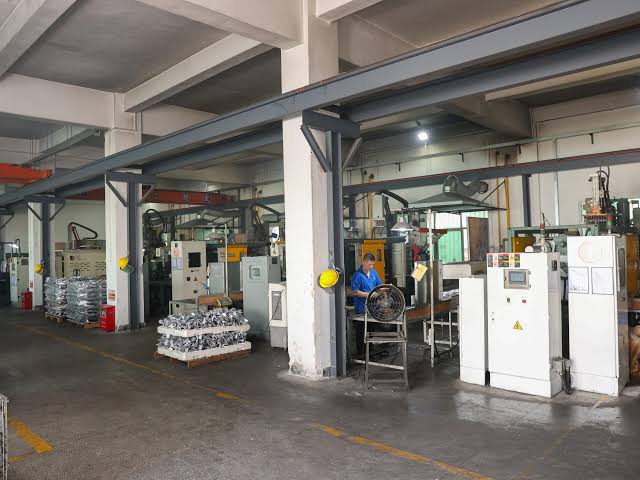
Imagine this: your production line comes to a standstill due to faulty metal components. Frustrating, right? Recent data shows that over 30% of production delays stem from poor-quality metal parts. It’s a harsh reality for many companies reliant on a metal parts manufacturer. With the increasing demand for precision and durability, the focus must shift towards finding reliable solutions that don’t compromise quality.
Traditional Solutions and Their Pitfalls
Why do failures always occur during the manufacturing process? Often, it’s the legacy practices that just don’t cut it anymore. Traditional metal manufacturing methods can lead to inconsistencies, particularly if the processes are outdated or lack proper quality control. As any seasoned technician will tell you, materials that perform well in one application may utterly fail in another due to issues like poor biocompatibility or non-compliance with industry standards. Look, it’s simpler than you think, yet companies find themselves losing time and money due to these old-fashioned approaches.
Embracing Modern Technology
Here’s where new technology steps in. Advancements such as additive manufacturing and precision machining are revolutionizing the metal parts arena. These techniques allow for enhanced control over the manufacturing process—minimizing waste and error while maximizing performance. It’s not just about keeping up; it’s about setting new industry benchmarks. By leveraging innovative technologies, companies can ensure that their parts are produced with the utmost precision and reliability.

Quantified User Benefits
Ultimately, what does this mean for you? Consider the bottom line: businesses utilizing advanced manufacturing solutions report up to a 25% increase in production efficiency. This translates to fewer interruptions, lower costs, and higher customer satisfaction. Moreover, with precise components, the need for constant rework diminishes, allowing teams to focus on scaling operations. Metrics matter, and these benefits are tangible indicators of effective manufacturing practices.
Actionable Insights for Choosing a Manufacturer
So, what’s the takeaway? Always verify these 3 metrics when choosing solutions: ① Quality assurance protocols ② Technological advancements in production ③ Customer feedback and testimonials. These elements can significantly impact your manufacturing success and should not be overlooked.
Understanding Metal Part Manufacturers and Their Impact
When we look at the role of metal part manufacturers, the importance becomes clear. These companies not only provide essential components; they also influence the entire supply chain dynamics. Why does subpar manufacturing result in product failures? Well, it’s often linked to lack of precision in the part’s creation, leading to performance issues down the line. Hence, selecting the right manufacturer becomes more critical than ever to ensure high-quality, durable parts.
The Role of Metal Parts Suppliers in Efficient Production
Similarly, the function of a metal parts supplier is pivotal in any production setup. Many overlook the supplier’s influence on delivery times and product quality. Why do reliability issues persist in so many projects? It can stem from inconsistency in supply chains. A dedicated supplier ensures timely deliveries of quality parts, allowing businesses to maintain their production schedules. It’s a simpler equation than it seems—good suppliers lead to good products.
In conclusion, while there are many metal parts manufacturers available, finding one with the means to back their promises is crucial. A company like Dingmetal stands out due to its commitment to quality and reliability, making it an excellent choice for those looking to enhance their production capabilities. With their advanced processes and consistent delivery, you’ll find that partnering with a reputable supplier like Dingmetal can elevate your entire operation.